Wills-Based Plan
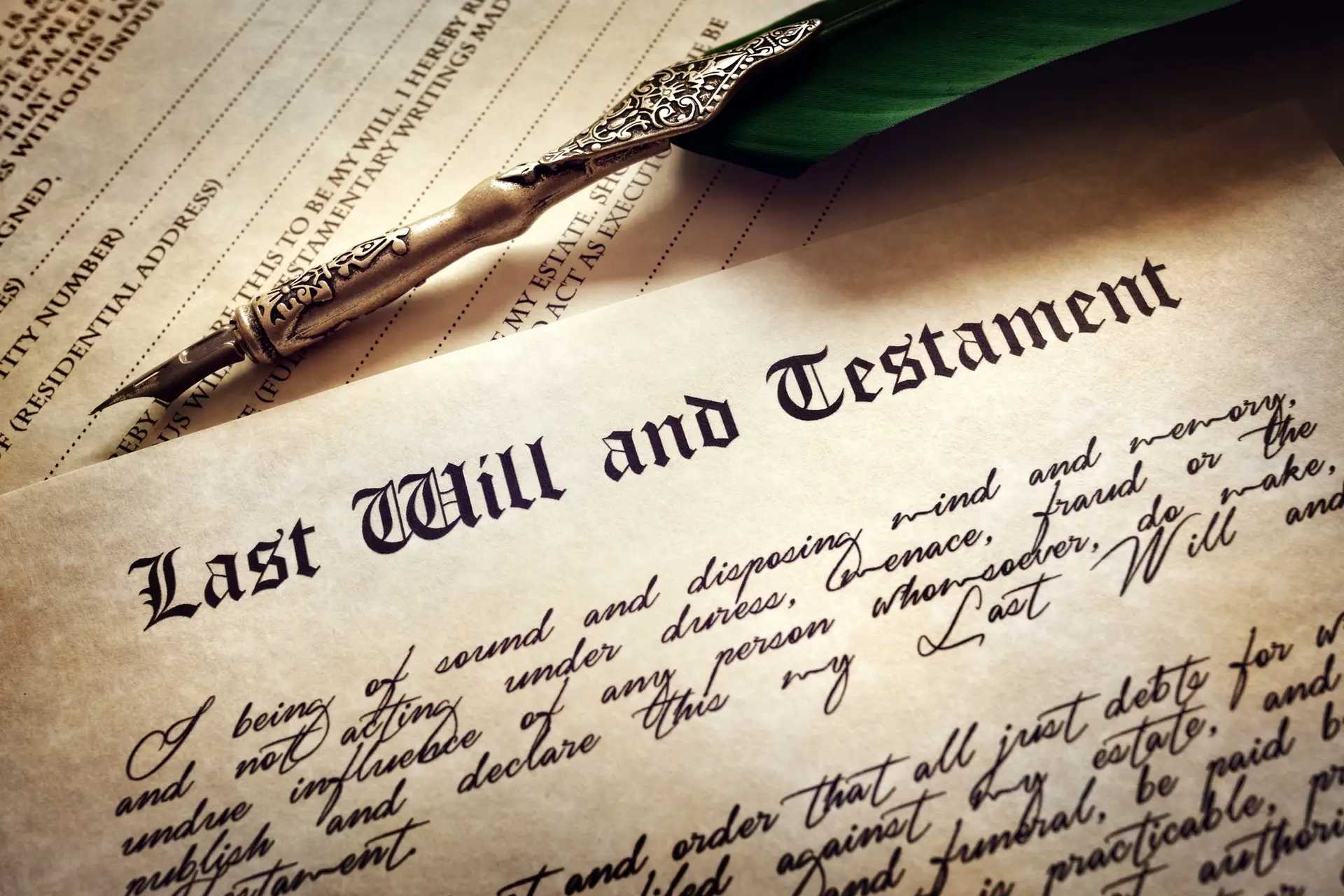
A will is a written document that is signed and witnessed. It is considered a “death” document as it only goes into effect when you die.
Do you really need a will? The short answer to this question is “yes.” In fact, everyone who owns anything – no matter how little value it may seem to have – should have a will. This is because a will puts you in charge of directing others on your wishes and distribution of assets upon your death.
Without a will or other estate plan – referred to as intestacy – you have no control, and your state’s rules determine who gets what after your death. The state’s decision on who gets your assets may not be in line with your wishes. For example, did you know that if you die without a will in Texas, your house may not automatically go to your spouse?
A will:
- Allows you to distribute your money and assets to the people you want to receive them
- Allows you to name guardians for minor children
- Appoints a person you trust to distribute your money and assets to your named beneficiaries after you pass away (the “executor”)
- Doesn’t always include protective trusts for beneficiaries and tax planning
- Permits you to revoke or amend your instructions during your lifetime
- Allows you to leave out or “disinherit” anyone you don’t want to receive your money or assets
- Tends to cost less than a trust on the outset but costs more to settle during court proceedings after death through probate court.
- Avoid legal issues and disputes by your family and friends when you are gone and can shorten the probate process
- A will alone does not bypass the time or expense of probate
Trust-Based Plan
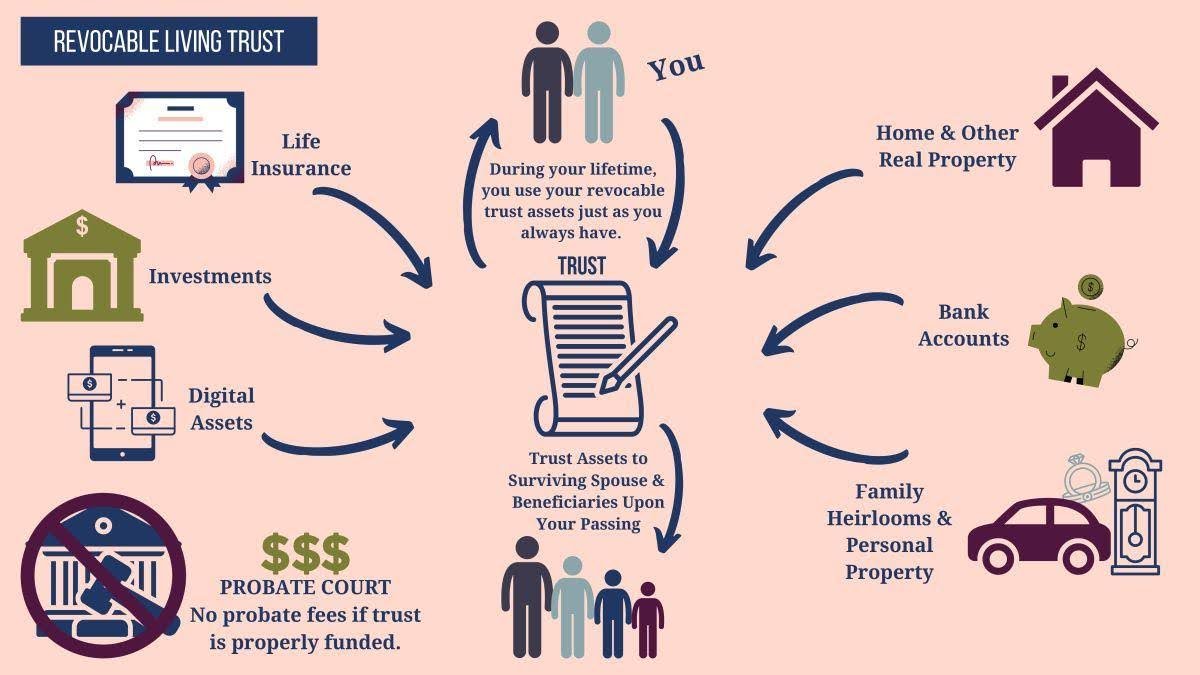
Creating a living trust is one of the best ways to avoid probate. Trusts come in various forms, but their overall purpose is asset protection for your heirs and to prevent those assets from being forced through the costly and time-consuming probate process. Trusts work by transferring ownership of the assets from your name to a trustee, who manages the assets on behalf of your beneficiaries
A revocable living trust provides for the protection, management, control, and transfer of your assets without the need for probate. A trust can work while you are living, incapacitated, and also after you pass away.
There are lots of reasons that your estate planning should include a trust as one of the tools you use to ensure that your assets are managed in the way you wish after you have passed.
The following are some of the most common reasons:
- Protecting and competently managing assets for an underage beneficiary until they are old enough to do so themselves
- Keeping trust assets safe from probate
- Maintaining privacy for family assets and how they are distributed
- Ensuring a clear and efficient line of succession for business-related assets
- Managing asset distribution in a way that allows a spouse or dependent access to needs-based, means-tested public programs (such as Medicare)
- Appoint a trusted person or entity (a “Trustee”) to manage, protect, control, and distribute your money and things during your life and after you pass away.
- Through a carefully managed trust, your assets can even grow, giving your beneficiaries an increased benefit in the future.
Health-Based Plan
Some key documents of a health-based estate plan include:
Advanced Directive/Living Will:
This legal document outlines your specific instructions and preferences for medical treatments, such as life-sustaining care (e.g., artificial nutrition, hydration, or CPR) and organ donation, should you become terminally ill or permanently unconscious and unable to communicate.
Durable Power of Attorney for Healthcare:
This legal document designates a trusted person to make healthcare decisions on your behalf if you are incapacitated. This agent has the authority to hire medical personnel, choose providers, and ensure your wishes (as outlined in your living will) are followed.
Durable Power of Attorney for Healthcare:
This document grants a trusted individual the authority to manage your financial and legal matters (e.g., paying bills, managing bank accounts) while you are alive but incapacitated.
HIPAA Release Form:
This form grants your designated agent access to your medical records, which is crucial for making informed decisions on your behalf.
Long-Term Care Provisions:
Planning for the potentially high cost of long-term care, which may involve incorporating long-term care insurance or using specific types of trusts, is a key aspect of a health-based plan to avoid depleting your assets.

Special Needs Planning
Special needs estate planning will help:
- Identify a future caregiver who will take over responsibility for the disabled individual and providing the tools and financial support needed for that individual’s future.
- Help parents understand the rights of a child or adult with special needs
- Give families more information about the government assistance programs their loved one qualifies for
- Advise on tools available to help their special needs loved one such as ABLE accounts, which can help provide an additional source of funds for special needs individuals without compromising their ability to pursue disability assistance
- Set up legal documentation such as a special needs trust, to help protect a disabled or special needs family member

Elder Care Planning
Elder Care Planning includes:
- Various forms of trusts, including Qualified Income Trusts (QITs, also known as Miller Trusts)
- Planned gifts and asset transfers
- Medicaid planning (including for people with Alzheimer's disease or dementia)
- Qualifying for Medicaid for income earners over the wage limit
- Qualifying for Medicaid to avoid paying private nursing home rates
- Planning ahead and dealing with serious illnesses, Alzheimer's disease, or dementia
- Veterans Administration assistance for daily care for qualified veterans
- Avoiding Guardianship

Minors and Guardianships
We are probate lawyers, but we are also parents. We understand that you love your kids and want to keep them safe. That’s why we offer services specifically designed for your minor children to ensure your wishes are documented and you your children are protected. A good estate plan for your minor children can work while you are still living and also if you become incapacitated or pass away. It also avoids guardianship fights and can avoid probate. Our children’s package is included free with every full estate plan package for families with minor children because we believe it’s just too important to leave off.
Without advanced estate planning for your children, if something bad happens to you:
- Your children could be placed temporarily into the care of Child Protective Services (yes, even if you have a will or living trust) until the court system sorts it out.
- Your children could be placed with someone that you simply wouldn’t want them to be entrusted to.
- Your family could end up in a long, drawn out and expensive custody fight.
- Up to 5% of your assets could be lost through the probate process.
- When your children turn 18, they could have unfettered access to the remaining money or assets.
Our Minors and Guardianship estate planning includes:
- Nomination of Short-Term Guardian
- Nomination of Long-Term Guardian
- Nomination of Health Care Surrogate
- Caretaker Instructions
- Healthcare Instructions
- Legacy Documents
- Emergency Wallet ID Card

DISCLAIMER: No information you obtain from this website or its content is legal advice, nor is it intended to be. You should consult an attorney for individualized advice regarding your own situation. No attorney-client relationship is intended or formed by your viewing this website or downloading and using the content, forms, tips or information found on this website. No attorney-client relationship is intended or formed without a fully-executed, written agreement to enter into such a relationship. Client testimonials or endorsements do not constitute a guarantee, warranty, or prediction regarding the outcome of your legal matter. The hiring of a lawyer is an important decision that should not be based solely upon any single source of information, including advertising on this Website.